Decoupled WordPress + Next.js: One Workflow for the Composable Web
How decoupled WordPress and Next.js share one Pantheon workflow — the REST API, Multidev previews, and a Next.js starter.
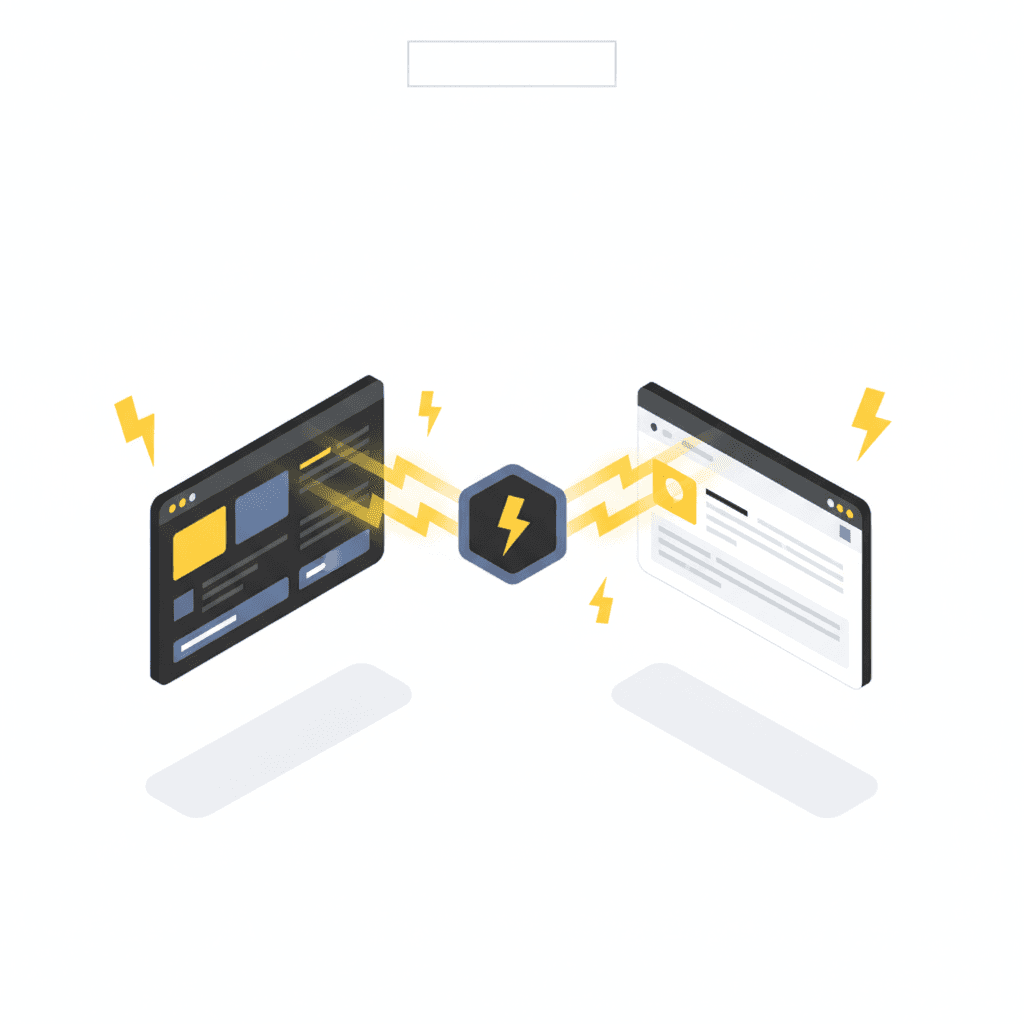
A decoupled architecture separates the frontend from the backend CMS: WordPress manages content, Next.js renders the experience, and the two talk over an API. This demo wires WordPress to a Next.js 16 frontend over the WordPress REST API — published content is readable anonymously, so editors work in a familiar CMS while developers build a fast, modern frontend on the composable web.
On Pantheon, both halves share one workflow. The CMS and the frontend connect through a single Git workflow and the Terminus CLI, every pull request spins up a Multidev preview environment, and content flows from WordPress (or Content Publisher) to the frontend without leaving the platform. Developers get automated CI/CD via the GitHub App; marketers get publish-and-preview without a dev ticket.
To build a WordPress backend for a decoupled frontend, Pantheon’s Next.js starter consumes content from the WordPress REST API, with an on-demand revalidation webhook that keeps the Next.js frontend in sync whenever an editor publishes. The Pantheon Advanced Page Cache plugin tags responses with surrogate keys so only the affected pages are purged.
See Pantheon’s decoupled CMS overview and the decoupled documentation.